
Des Plaines Growth Opens Doors for New Business Owners
Contributors: Ari Page and Kayla Page | 6 min read
Key Takeaways
- Des Plaines is on the rise. The city climbed to No. 9 in Illinois on the 2026 U.S. News list. Also, construction value nearly doubled in 2025.
- There is more than one way in. Owners are filling empty storefronts, expanding with city grants, and partnering on city-owned buildings. Others serve the workers that new development brings.
- Every path starts with cash up front. City grants pay back after the work is done. So owners need a plan for early costs, including business credit options.
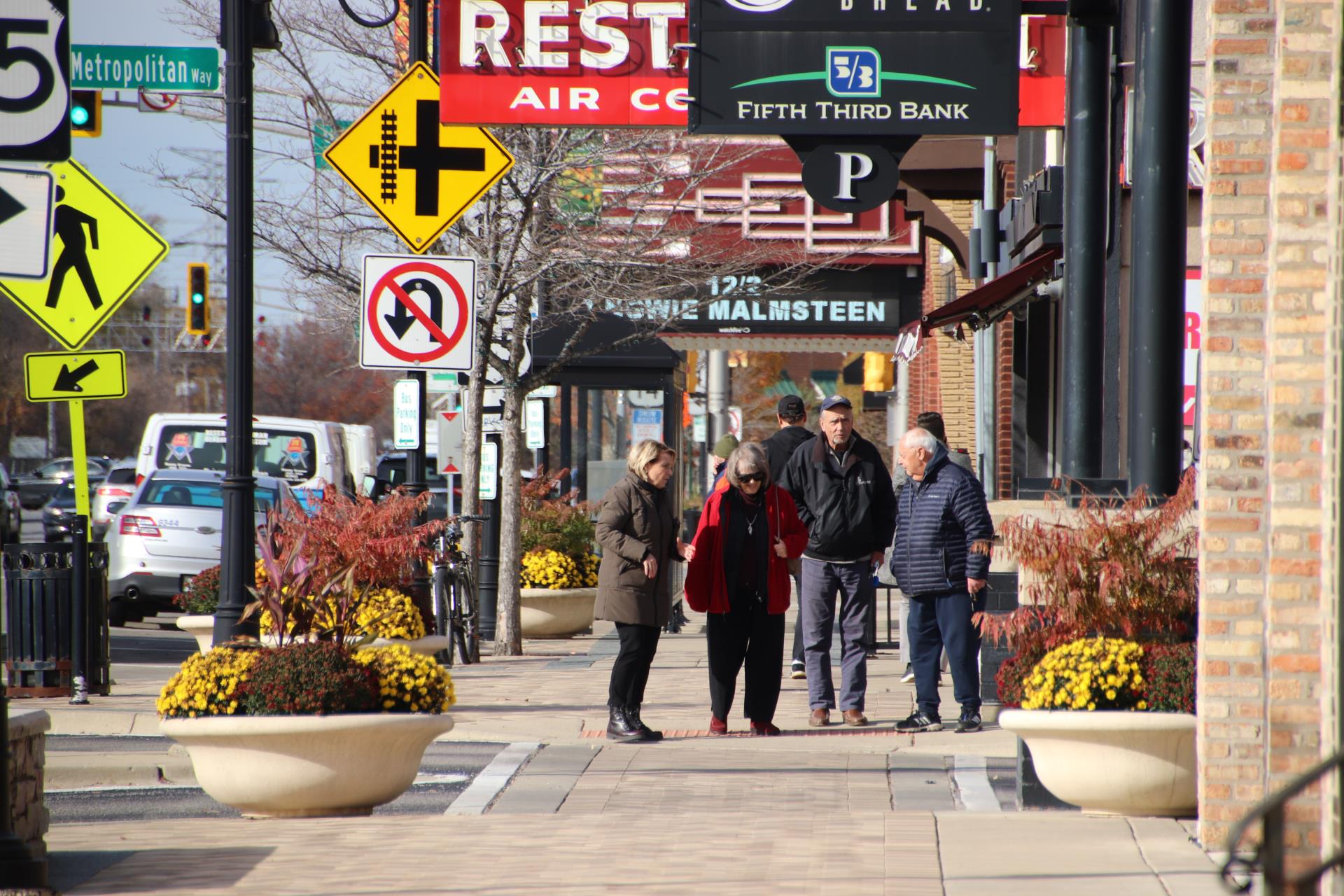
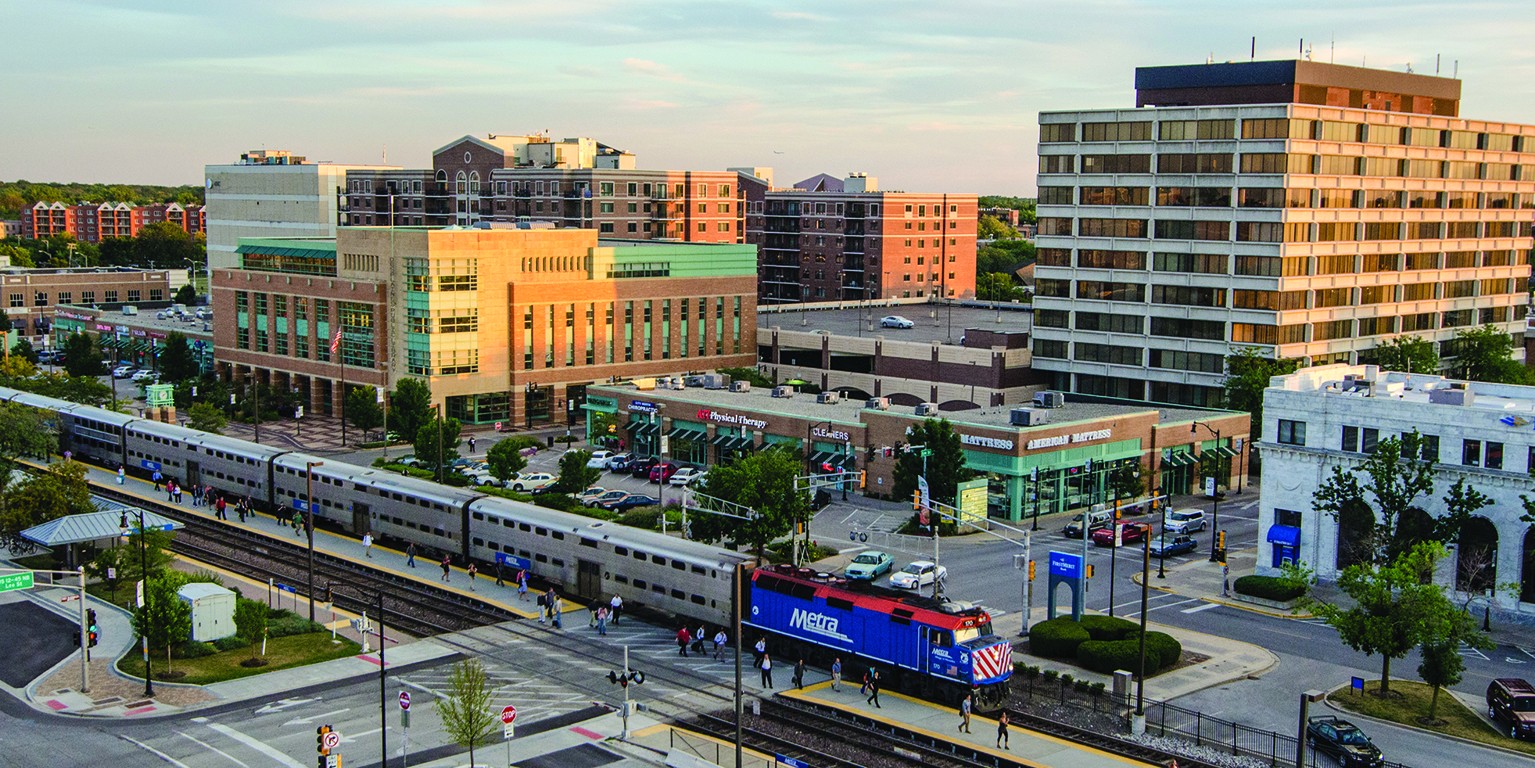
Des Plaines growth is turning empty buildings back into places to do business. Downtown, the city bought a 1927 marble bank at 678 Lee Street, vault and all. Soon, it will become a destination restaurant. Meanwhile, two entrepreneurs are opening a coffee shop(opens in new tab) in a long-vacant storefront on Golf Road. And off Devon Avenue, office buildings are coming down to make room for a Costco Business Center.
For anyone thinking about starting(opens in new tab), moving, or growing a business here, the timing matters. In 2026, the city rose to No. 9 in Illinois on the U.S. News & World Report "Best Places to Live" list. The ranking pointed to a strong job market, higher incomes, and affordable housing. As a result, new businesses can find customers with money to spend and a town where owners and workers can afford to live.
However, the opportunity comes with a catch. City grants pay owners back only after the work is done. Big projects also take years to open. So nearly every path into a Des Plaines business starts with spending money before any comes in. Owners who line up funding options, partners, or business credit before signing a lease give themselves room to ride out those early months.
Several of the biggest projects have not opened yet. For example, the city expects The Dime to open in 2027, and Costco construction could begin as early as late 2026. For owners, the question is which path fits their business and how much cash it takes to get there first.
Why Are Business Owners Looking at Des Plaines?
The rankings keep climbing
Des Plaines made the U.S. News list for the second straight year in 2026. It rose to No. 9 in Illinois and No. 144 in the country. A year earlier, it ranked No. 10 in the state. The mayor tied the climb to new investment, redevelopment, and thriving neighborhoods across the city.
"Des Plaines continues to grow as a place where people want to live, work, and build their future."
— Andrew Goczkowski | Mayor, City of Des Plaines
Construction and spending are both up
In March 2026, Mayor Andrew Goczkowski spoke to the Des Plaines Chamber of Commerce. He reported about $187 million in construction value in 2025, nearly double the year before. Projects other than housing led the way. He also pointed to more than 1 million square feet of new industrial and tech space under construction or planned. In addition, city revenue from sales, motor fuel, and food and beverage taxes all rose in 2025 (Source: Daily Herald). In other words, people already spend more in town, and that is the demand a new shop or restaurant depends on.
City Hall has put business growth first
The city's new strategic plan for 2027 through 2030 lists economic development first among its five goals (Source: Daily Herald). The mayor has also described the business assistance grant program as expanded. Throughout 2026, the council has approved grants and incentives for new and growing businesses.
What Is the Costco Business Center Bringing to Devon Avenue?
A supply stop built for business owners
In January 2026, the council approved a Costco Business Center and a 24-pump gas station at 2200 and 2400 E. Devon Avenue. The plan calls for a 137,327-square-foot store on 14 acres (Source: Daily Herald). Unlike a regular Costco, it would stock office and business products. Right now, the only other Costco Business Center in the Chicago area sits in Bedford Park (Source: ABC7 Chicago). As a result, restaurants, caterers, contractors, and office-based businesses would gain bulk supplies and fuel much closer to home.
A $17 million bet on the site
Getting the land ready is a big job. Crews are tearing down office buildings in the O'Hare Lake Office Park. The project will also fill in part of Peterson Lake, a retention pond, to make room for parking. In March, the council was set to finalize more than $17 million in incentives for the developer handling the site work (Source: Daily Herald). Those incentives come as discounted property taxes and a decade of sales tax rebates. City documents put the site work at more than $30 million. Meanwhile, Costco would buy the site and build the store without city incentives, according to Jeff Rogers, the city's community and economic development director.
What bulk buying means for cash flow
Bulk buying lowers the price of each item. However, it takes more cash at the register. For example, a restaurant stocking a month of paper goods pays for it all at once. So does a contractor filling several work trucks. In both cases, the bill comes well before those supplies turn into sales. That is why owners often put large supply runs on a business credit card and pay it down as revenue comes in. Cards with 0% introductory APR periods also give them time before interest applies. ABC7 reported in January that construction could begin late this year (Source: ABC7 Chicago). That leaves owners time to compare what they pay their suppliers today.
How Can You Start a Business in Des Plaines Right Now?
The big projects get the headlines, but they also open doors for smaller owners. In fact, Des Plaines offers several ways in, and each one has its own price of entry.
Fill a storefront that has been sitting empty
Eric Trojak and Daniel Kurek found their spot in the Market Place shopping center on Golf Road. There, they are turning a long-vacant storefront next to a Planet Fitness into Alibi Coffee House. They expect the renovation to cost more than $82,000. In July 2026, the city council agreed to cover $25,533 of it through a business assistance grant (Source: Daily Herald). Still, the owners carry the rest. A business credit card with a 0% introductory APR period can help spread that cost while the shop gets ready to open.
Grow a business that is already working
David Villegas shows how one success can lead to the next. In 2023, he opened Foxtail on the Lake inside a former church that belongs to the Des Plaines Park District. A $300,000 city grant helped pay for that renovation. Then, in July 2026, the city added $33,625 toward a $130,000 patio expansion with room for 40 more customers (Source: Daily Herald). New seats bring in new sales. However, the patio gets built before those seats fill. So owners planning an expansion need to know how they will cover the gap, whether from savings, a partner, or business credit.
Partner with the city on a bigger space
For the right operator, the city will buy the building or lend the money. Downtown, it bought the 1927 marble bank at 678 Lee Street for $1.89 million. The city also agreed to spend up to $12 million to bring the building up to code. Meanwhile, Villegas' company, 10 Scents, plans to cover a projected $4.5 million in kitchen equipment, furniture, and fixtures for The Dime (Source: Sharon Lynch). In August 2026, the city hired contractors for nearly $11 million in work. The old vault will become a private dining room for up to 16 people (Source: Cornelia Matache).
On Ellinwood Street, the city chose a different tool for the former Oliveti's site. There, it approved a $3.6 million loan at 3 percent interest over 10 years (Source: Sharon Lynch). The city will forgive up to $1.2 million once it issues the final occupancy certificate. Deals like these take years and serious capital. As a result, an operator needs a clear plan(opens in new tab) for paying their share before the city signs on.
Serve the people the new development brings
Plenty of openings need no city deal at all. The Costco Business Center and new industrial and tech space will bring workers who need lunch, coffee(opens in new tab), car repairs, and cleaning. Chains are moving in on their own too. For example, 7 Brew has city permits for a drive-thru coffee shop at 1401 Lee Street, with no city financing mentioned (Source: Sharon Lynch). Service businesses can also start smaller, with a vehicle, tools, or a first round of inventory. Business credit can help cover those costs during the early months.
Live where you work
For people thinking about moving here, the case goes beyond the storefront. The same affordable housing that helped Des Plaines make the U.S. News list matters for owners too (Source: City of Des Plaines). Lower housing costs leave more of an owner's money for the business. That cushion counts in the first year, when every dollar of cash on hand helps a new shop wait for steady customers.
What Does It Take to Open a Business Here?
City help comes after the bill is paid
Grants cover part of the bill, but only after the owner pays it. For example, the Alibi Coffee House grant arrives once the renovation wraps up (Source: Daily Herald). So Trojak and Kurek pay the full build-out first and get back less than a third of it later. Owners counting on a grant still need enough cash to finish the work before the check arrives.
The early costs stack up
The build-out is only the first bill. In addition, new owners pay for lease deposits, permits, equipment, first inventory, and payroll. Those bills keep coming in the weeks before sales can cover them. So owners typically pull money from several places at once. These include personal savings, partners or investors, and city grants and loans for qualifying projects. They also include business credit cards that can carry purchases through a 0% introductory APR period.
Big projects open on their own schedule
Then there is the waiting. The Dime project went public in February 2025 (Source: Cornelia Matache). After nearly two years of council votes, contractor bids, and agreements, the restaurant still aims to open in 2027. Picture a cafe that opens across Lee Street early, betting on the restaurant crowd. That owner pays rent, staff, and utilities every month the old bank sits behind a construction fence. The payoff from a big project next door can be worth it. However, it arrives on the project's schedule, so a new owner needs enough cash to cover the months in between(opens in new tab).
How Should Owners Plan for the Gap?
For a Des Plaines owner, the money questions tend to show up in order. First comes the build-out, which owners pay before any city grant pays back. Next come the bulk supply runs and fuel stops once the Costco Business Center opens on Devon Avenue. After that, the slower months arrive before new projects bring steady foot traffic. Each step calls for cash before the business sees a return. As a result, owners who map out those gaps early can take on these opportunities without draining their day-to-day money.
Fund&Grow works with business owners on exactly this kind of planning. Its coaching helps owners apply for business credit cards with 0% introductory APR periods. It also shows them how to use those cards responsibly. That way, owners can spread out costs like a renovation, new equipment, or a first large supply order. Fund&Grow is not a lender and cannot guarantee approval or a specific credit amount. Still, its team can help owners eyeing Des Plaines understand their options before they sign a lease or place their first big order.
About the Authors

Ari Page
Read bio
Ari Page is the Founder and CEO of Fund&Grow, a business credit consulting company he started in 2007. Over nearly two decades, he has helped more than 35,000 entrepreneurs secure over $2.1 billion in total business funding. His expertise in business credit cards has made him a trusted resource for entrepreneurs, real estate investors, and small business owners across the country. All business credit cards require a personal guarantee. He is the author of “Fund&Grow: Easy & Affordable Ways to Get Money for Your Business” and regularly shares insight on entrepreneurship, business strategy, and what it actually takes to build a financially resilient business.

Kayla Page
Read bio
Kayla Page is a Marketing Coordinator at Fund&Grow with more than two years of experience at the company. Her background as a Client Success Advocate gives her firsthand insight into the business credit process and the questions entrepreneurs face when exploring funding. She contributes to Fund&Grow News, covering funding options, business planning, market trends, and economic developments affecting small businesses. Her writing connects these topics to practical considerations for managing costs, evaluating opportunities, and planning for growth.
Methodology and Disclosures
This report draws on City of Des Plaines press releases, local news coverage of Des Plaines City Council actions, the mayor's 2026 address to the Des Plaines Chamber of Commerce, and local real estate reporting on downtown redevelopment. Fund&Grow checked all figures against the original publications as of the publication date. Fund&Grow is a business credit consulting and education service, not a lender, financial advisor, legal advisor, tax advisor, or credit repair organization. All business credit cards require a personal guarantee.
Fund&Grow in the News
Read our latest press coverage and media features.
Sources
- ABC7 Chicago. "Construction for new Costco could begin by end of year in Des Plaines(opens in new tab)." January 7, 2026.
- Daily Herald. "Des Plaines gives go-ahead to Costco plan(opens in new tab)." January 23, 2026.
- Daily Herald. "Developer could get $17 million in incentives to pave the way for Costco in Des Plaines(opens in new tab)." March 13, 2026.
- Daily Herald. "Des Plaines mayor tells business leaders the city is 'on our way'(opens in new tab)." March 25, 2026.
- City of Des Plaines. "Des Plaines Rises to No. 9 in Illinois 'Best Places to Live' Rankings(opens in new tab)." May 19, 2026.
- Daily Herald. "Heading in the right direction: Des Plaines council sets new 4-year strategic plan(opens in new tab)." June 17, 2026.
- Daily Herald. "Coffee shop coming to Des Plaines will get city grant(opens in new tab)." July 21, 2026.
- Sharon Lynch. "The Vault, the Bricks, and the Drive-Thru: Downtown Des Plaines Is Rebuilding Itself Three Different Ways(opens in new tab)." August 27, 2026.
- Cornelia Matache. "What's Next for Downtown Des Plaines Restaurants(opens in new tab)." August 27, 2026.