
How a $1,500 Credit Limit Helped Build a $4.5 Million Coffee Business
Contributors: Ari Page and Kayla Page | 7 min read
Audrey Finocchiaro and Sam Lancaster started with a $1,500 credit limit, scrap wood from her parents’ basement, and an idea for a coffee cart. In 2016, they built a basic setup for selling nitrogen infused cold brew. They loaded it into a Subaru Outback and headed to Providence, Rhode Island. With no electricity and room for only their equipment, the homemade cart gave them a way to start selling before they could open a coffee shop.
In an August 2025 interview with Fortune, Finocchiaro recalled eight hour days that brought in only $20 to $60. As a result, the couple became discouraged enough to consider stopping. Years later, the same business, now known as The Nitro Bar, was described as generating approximately $4.5 million in annual revenue. Between those early days and the reported milestone came a student following, creative financing, and an expansion into permanent locations.
Key Takeaways
- Credit helped fund an initial test. The founders used a limited starting resource to build a cart before committing to a permanent shop.
- Customers gave them a reason to continue. Moving to a more responsive audience changed the direction of the business.
- Expansion required additional capital and responsibility. The original credit limit did not finance the entire company.
Using Credit to Get the Cart Rolling
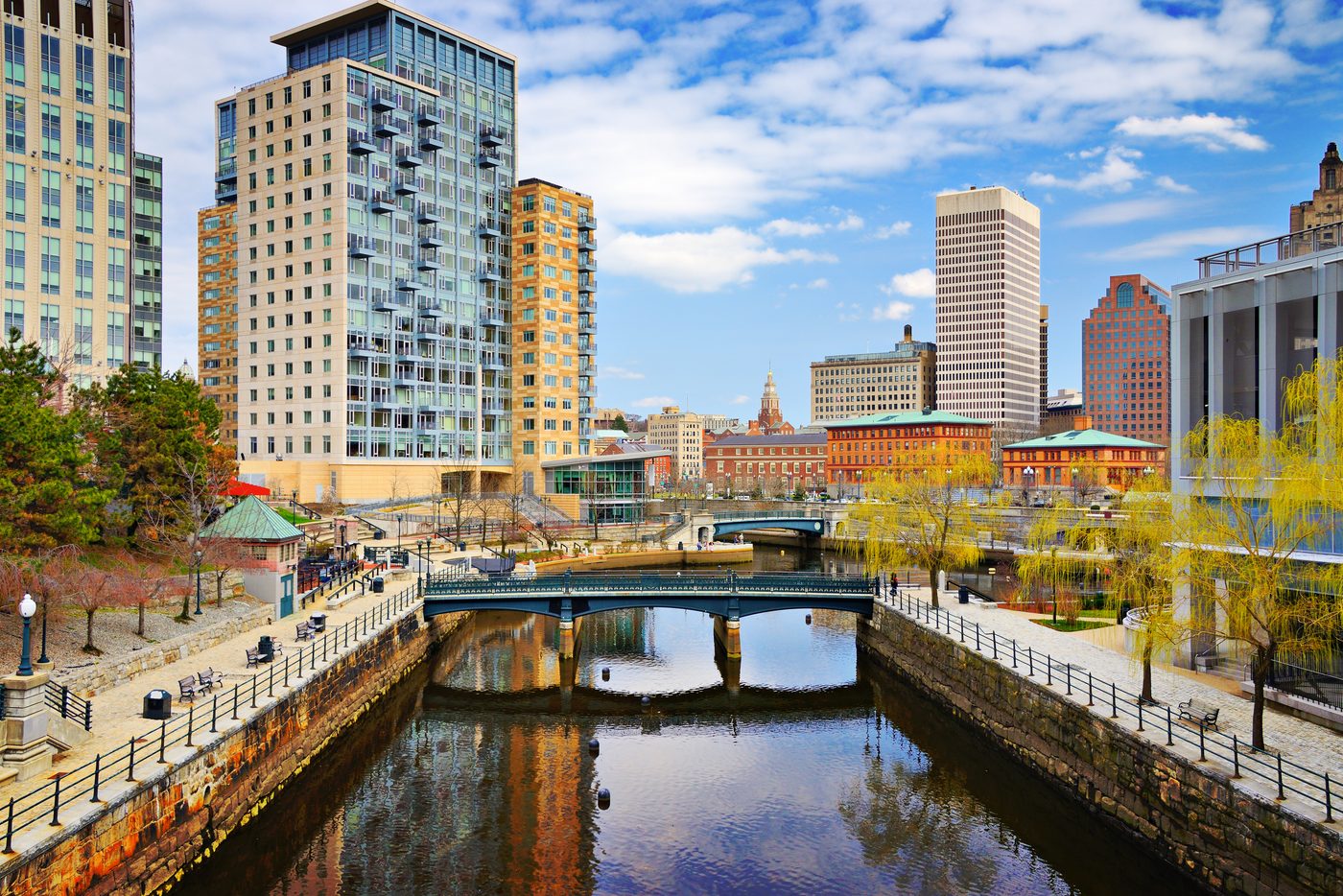
With the cart funded through Finocchiaro’s available credit and coffee brewed at her uncle’s diner, the founders began selling on Providence streets and at local events. After weeks of spending hours beside the cart with few customers stopping, they were considering whether to continue. Then Lancaster realized they had not yet tried Brown University, where students were returning for the fall.
Credit had helped them build something they could put to work, which is where our conversations begin at Fund&Grow: understanding what an owner needs to purchase and how it fits their plans. Whether someone is preparing to open or buying equipment for an established operation, we look at the expense, the available credit, and how payments would fit alongside everyday business costs. That gives the funding conversation a practical foundation built around what the owner wants to accomplish.
$1,500
Starting credit limit used to help build the coffee cart in 2016.
Source: Fortune, August 17, 2025.
$20 to $60
Sales during some early eight hour days, as Finocchiaro recalled to Fortune.
Source: Fortune, August 17, 2025.
Finding Their Customers Changed the Outlook
Brown University Became a Turning Point
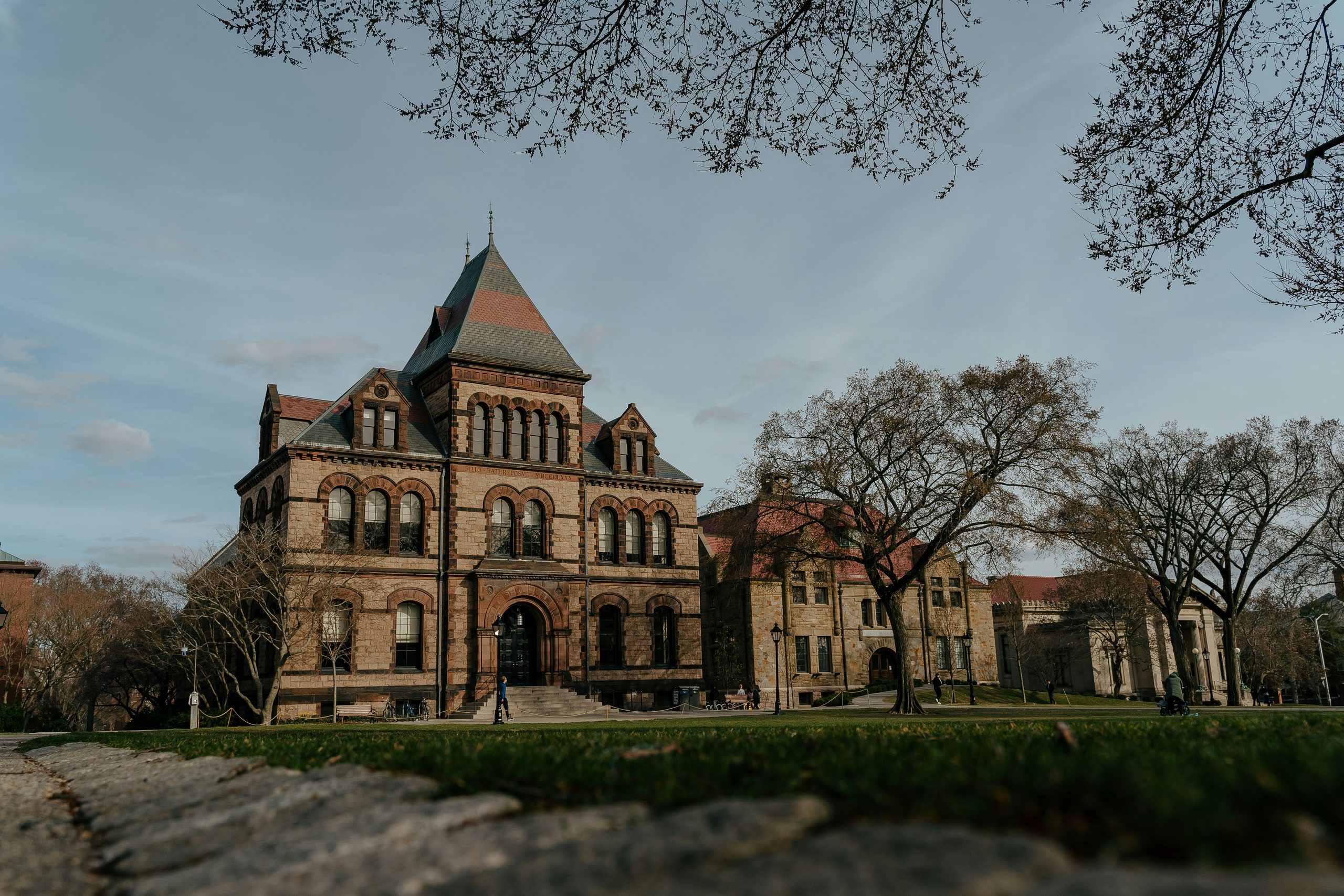
On Providence’s streets, the founders waited for passersby to stop at their homemade cart, while at Brown University, returning students formed a line for cold brew. Finocchiaro recalled approximately $600 in sales that day, an amount she described as life changing at the time. After weeks of struggling to attract customers, they began returning to Brown every day to serve students who gathered for cold brew.
Meanwhile, campus visits became a regular part of the business alongside their appearances at local events. The founders were reaching an audience that responded to their coffee, giving them a reason to continue after nearly deciding to stop. For Finocchiaro, that first busy day at Brown remained a memorable moment in the company’s early story.
She described that day’s sales as “life-changing for us at the time.”
Audrey Finocchiaro | Cofounder, The Nitro Bar, Fortune
The Next Stage Needed More Than $1,500
Outside Funding Opened Another Chapter
In spring 2017, two investors approached the founders at a Providence farmers’ market and asked how much funding they would need to expand. Together, they worked through a spreadsheet outlining how additional carts and wholesale accounts could help the business grow. Finocchiaro recalled estimating a need of approximately $150,000 and receiving the money the following day.
Until then, the founders had been brewing cold brew at night in her uncle’s diner while building their customer base. With that funding, they were able to establish a production facility and expand into wholesale distribution through other businesses. Because colder weather threatened outdoor cart sales, they saw those partnerships as a way to continue selling through winter.
Growth Gave the Money New Responsibilities
Wholesale expansion meant purchasing kegerators, refrigerated units that allowed partner businesses to serve the cold brew on tap. Each unit cost $1,200, making equipment for 60 wholesale accounts a substantial expense during their first year. Finocchiaro recalled how quickly the funding went as they put those accounts in place.
Each new account created an opportunity to sell more coffee, but it also required equipment before those sales could begin. For an owner using a business credit card to make a similar purchase, the full cost includes any supplier processing fees and borrowing charges. Payments also need to fit alongside everyday expenses, including during the time it takes to get the equipment operating.
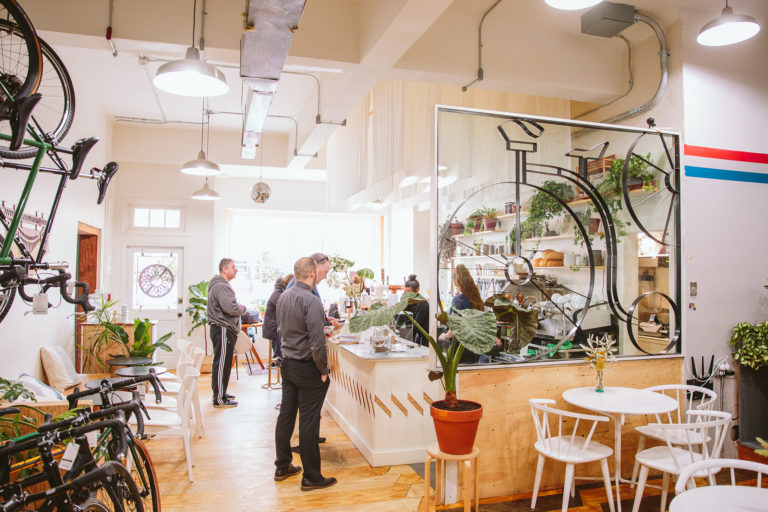
The equipment was followed by another opportunity when a local bicycle shop offered the founders 200 square feet for $400 a month. With help from Square financing, they opened their first permanent shop inside the building. The storefront gave customers a regular place to visit as the founders continued growing beyond their mobile cart and wholesale partnerships.
The Revenue Milestone
Sales Tell One Part of the Story
By August 2025, The Nitro Bar had three coffee shops, a production facility, and a small coffee trailer. Annual revenue was reported at approximately $4.5 million. Since its 2016 launch, the founders had expanded from a homemade cart into wholesale distribution and permanent locations. However, that figure represented business sales before operating expenses, rather than the founders’ personal earnings.
“We just threw a ton of things at a wall and kept going until we found something that stuck.”
Audrey Finocchiaro | Cofounder, The Nitro Bar, Fortune
Attention Followed Years of Experimenting
Finocchiaro recalled spending about seven years trying different approaches before The Nitro Bar developed a significant following online. Over time, the team experimented with videos featuring coffee combinations, ordering suggestions, and menu favorites until they found formats that connected with viewers. Their growing online presence introduced more people to the business that had begun with a homemade cart on Providence streets.
$4.5 million
Annual revenue cited in the August 2025 profile, reflecting business sales before expenses rather than profit or the founders’ personal income.
Source: Fortune, August 17, 2025
From a Credit Funded Cart to a Growing Business
The $1,500 credit card limit helped Finocchiaro and Lancaster build a cart and begin selling their coffee, while the response at Brown University encouraged them to continue. As the business developed, they added outside funding, wholesale equipment, production space, and a permanent shop. Each stage brought new commitments as they found ways to serve more customers.
Their operation had grown well beyond the cart they first took onto Providence streets. Along the way, they worked through slow sales, changed direction, and spent years building an audience. Credit helped them get started, while the company took shape through the decisions and customer relationships that followed.

What’s Brewing for Your Business?
The Nitro Bar’s funding needs grew along with the business, from building a cart to equipping wholesale accounts and opening a shop. Your next purchase might support a first location, a business you’ve just taken over, or an operation you’ve spent years building. Understanding the expense and how repayment fits your budget gives that next step a practical foundation.
At Fund&Grow, we provide coaching and application support to help entrepreneurs explore business credit cards from third party issuers. Together, we review your business needs and goals, including how the 0% APR offers work, so you can make an informed decision. Tell us what’s brewing for your business, and let’s explore the options for your next step.
All business credit cards require a personal guarantee.
About the Author
 Ari Page is the Founder and CEO of Fund&Grow, a business credit consulting company he started in 2007. Over nearly two decades, he has helped more than 35,000 entrepreneurs secure over $2.1 billion in total business funding. His expertise in business credit cards has made him a trusted resource for entrepreneurs, real estate investors, and small business owners across the country. He is the author of “Fund&Grow: Easy & Affordable Ways to Get Money for Your Business” and regularly shares insight on entrepreneurship, business strategy, and what it actually takes to build a financially resilient business.
Methodology and Disclosures
This retrospective article draws primarily on Jessica Coacci’s August 17, 2025 Fortune interview with Audrey Finocchiaro. Early sales and funding figures reflect that published account; Inc.’s September 15, 2026 interview gives different amounts for certain events. The revenue figure is historical reporting, not a verified current result. Fund&Grow did not conduct these interviews or independently audit the company’s financial records. Business observations are Fund&Grow’s editorial interpretation. The Nitro Bar’s inclusion does not imply that the company or its founders used or endorse Fund&Grow’s services. Their experience does not predict another business’s results or constitute a recommendation to reproduce their borrowing decisions.
Sources
- Fortune. “A millennial couple grew their side hustle into a business bringing in $4.5 million a year—here’s how the cofounder would start it again, with nothing.” August 17, 2025.
- Inc. “TikTok Helped This Buzzy Coffee Chain Triple Sales. Now It’s Working With Brands Like Reese’s.” September 15, 2026.