
 Share
Share
Growth is often portrayed as a sprint. Long hours, constant pressure, and personal sacrifice are treated as signs of commitment. While effort matters, this approach rarely leads to lasting success. Many entrepreneurs reach a point where the business grows but energy, focus, and satisfaction decline.
Sustainable scaling offers a different path. It allows businesses to grow without requiring the founder to operate at maximum capacity all the time. Scaling without burnout is not about slowing down ambition. It is about building support structures that make growth manageable.
Why Burnout Often Shows Up During Growth
Burnout usually appears when demand increases faster than systems can handle. More customers, more revenue, and more opportunities create complexity. Without structure, the entrepreneur absorbs that complexity personally.
Many business owners respond by working longer hours or staying constantly available. Over time, this leads to exhaustion and decision fatigue. Burnout is rarely caused by lack of motivation. It is often the result of weak systems carrying too much weight.
Recognizing burnout as a signal rather than a failure changes how it is addressed.
Build Systems Before Adding More Work
Systems create leverage. Clear processes, documented workflows, and repeatable routines reduce the number of decisions that require daily attention.
Before scaling sales, marketing, or operations, it is important to ensure the back-end can support increased activity. This includes how tasks are assigned, how work is tracked, and how information flows.
Strong systems allow growth to occur without increasing mental load. They turn complexity into structure.
Focus on Impact, Not Activity
As businesses grow, activity increases. Meetings multiply. Tasks accumulate. Not all activity contributes equally to results.
Sustainable scaling requires separating effort from impact. Leaders must identify which actions move the business forward and which simply maintain busyness.
Fewer priorities executed well create more progress than many initiatives managed poorly. Focus protects energy and accelerates results.
Use Resources and Funding Intentionally
Growth often requires investment. Access to capital can support hiring, infrastructure, or expansion. When used strategically, funding reduces pressure and supports sustainability.
This is where many entrepreneurs benefit from stepping back and aligning funding decisions with long-term systems, not short-term urgency. Working with a partner like Fund&Grow helps business owners evaluate how funding fits into their overall growth strategy, ensuring capital supports scale without creating additional strain.
Funding works best when it strengthens the foundation rather than compensating for gaps.
Protect Energy as a Business Asset
Energy is often treated as unlimited. In reality, it is one of the most valuable resources a business has.
Protecting energy means creating boundaries, designing routines, and allowing time for recovery. It also means avoiding constant urgency.
When energy is managed well, decision-making improves and leadership becomes more effective. Sustainable growth depends on leaders who can think clearly and act consistently.
Delegate Gradually and Thoughtfully
Delegation is one of the most challenging transitions for entrepreneurs. Letting go of control can feel risky, especially when standards are high.
Effective delegation starts small. Clear expectations, documented processes, and feedback loops build trust over time. As responsibilities shift, leaders regain capacity to focus on strategy and direction.
Delegation is not about doing less. It is about doing what matters most.
Build Flexibility Into Growth Plans
Rigid plans increase pressure. Markets shift. Opportunities appear unexpectedly. Challenges arise without warning.
Sustainable scaling allows room for adjustment. Regular check-ins help evaluate pace, capacity, and priorities. Adjusting course is a sign of leadership, not failure.
Flexibility preserves momentum and prevents burnout.
Growth Should Feel Supported, Not Draining
Scaling a business should not require constant exhaustion. When systems, strategy, and resources work together, growth feels steady rather than overwhelming.
Sustainable scaling creates businesses that support their owners, not consume them. It allows ambition to coexist with balance and progress to continue over the long term.
Growth that lasts is built on structure, clarity, and care. When these elements are in place, scaling becomes a process you can sustain rather than survive.
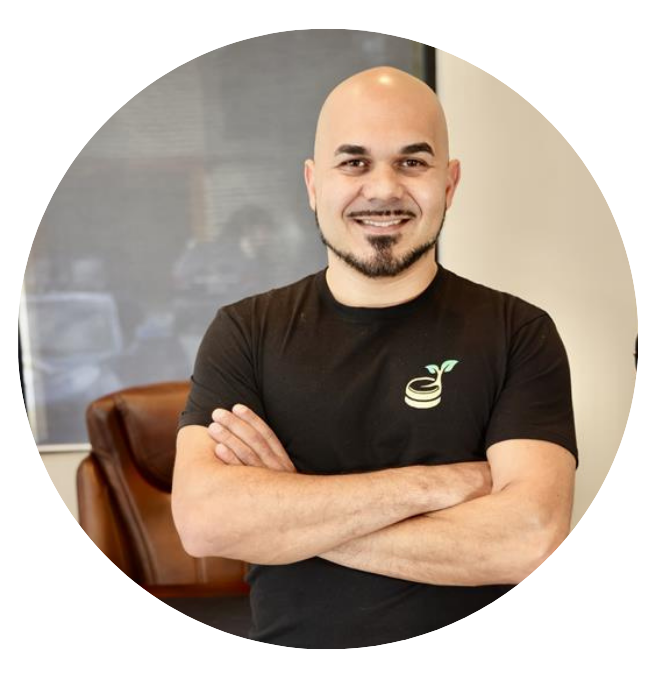 About the Author:
Ari Page is the Founder and CEO of Fund&Grow, helping entrepreneurs, investors, and small business owners secure up to $250,000 in 0% interest business credit cards. Since 2007, he has grown Fund&Grow into an Inc. 5000 company, securing over $2 billion in business credit cards for thousands of clients. With 6,000+ 4.9-star reviews and an A+ BBB rating, Fund&Grow is a trusted leader in business funding. Ari is also the author of Fund&Grow: Easy & Affordable Ways to Get Money for Your Business and a passionate advocate for mindset, success, and the Law of Attraction. He lives in Spring Hill, FL, inspiring others to grow their businesses and achieve financial freedom.