
** DRAFT - NOT PUBLICALLY VISIBLE **
 Share
Share
The first, most obvious answer is to pay all your bills on time without fail. That one is kind of a no-brainer. It also makes perfect sense to keep your credit card balances as low as possible.
Here's a lesser-known way you can keep your score up: No matter how much it logically makes sense to do so, do not close old credit cards. Why? It goes back to the amount of debt you have versus the amount of credit you have available. Each time you close a card, your "utilization rate" jumps accordingly, making you a higher credit risk in the eyes of the credit bureaus. Moreover, closing old credit cards also removes "seasoned accounts" that help prop up your scores.
Remember, too, that credit cards aren't the only accounts that affect your credit score. Other factors could include loan balances and lines of credit. (source)
Keeping your credit applications to a minimum is also a good idea, because each time you apply for credit, your credit score will go down slightly.
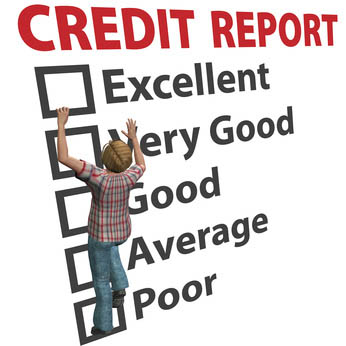
Finally, we mentioned it before but it bears mentioning again here: Make sure everything in your credit report is accurate. If you're aware of what's on your report, you'll discover any mistakes that pop up sooner rather than later – and you'll be able to do something about them.
At the end of the day, the more you know about what goes into determining a good credit score, the easier it will be to maintain it.