
 Share
Share
Earning capital is only half the equation. What truly shapes long-term growth is how that capital is reinvested. Many entrepreneurs reinvest out of habit or urgency, putting money back into the business wherever the pressure feels highest. While this keeps things moving, it often leads to scattered results and unnecessary strain.
Intentional reinvestment replaces guesswork with clarity. It allows capital to support momentum rather than chase it.
The Cost of Guesswork in Reinvestment Decisions
Guesswork in reinvestment shows up in subtle ways. Tools are purchased without clear outcomes. Hiring happens before systems are ready. Marketing spend increases without understanding what actually drives conversions.
These decisions are rarely reckless. They are often made under pressure, fueled by the desire to keep up with growth. The hidden cost is misalignment. Capital gets tied up in areas that do not meaningfully improve capacity or cash flow.
Over time, this creates frustration. Revenue may increase, but margins tighten. Activity grows, but progress feels uneven. Intentional reinvestment prevents this pattern by slowing decisions just enough to evaluate impact.
Start With Clarity on What the Business Actually Needs
Before reinvesting, it is important to identify the true bottleneck. Growth challenges often feel urgent, but the root cause is not always obvious.
A backlog of work may point to weak systems rather than lack of staff. Cash flow pressure may stem from timing gaps rather than insufficient revenue. Marketing may not be the issue if follow-up processes are inconsistent.
Reinvesting with intention means addressing root problems rather than surface symptoms. This clarity ensures capital is deployed where it creates the greatest leverage.
Align Reinvestment With Cash Flow Timing
Timing matters as much as amount. Reinvestments that require immediate cash outflow but deliver delayed returns can strain operations if not planned carefully.
Understanding when reinvestments are expected to produce results helps align repayment or ongoing costs with revenue. This is especially important when using credit or external funding as part of the reinvestment strategy.
When timing is ignored, even smart investments can feel stressful. When timing is aligned, reinvestment supports stability while growth unfolds.
Choose the Right Type of Capital for the Right Purpose
Not all capital behaves the same way. Cash reserves, credit, and funding tools each serve different roles.
Cash offers simplicity but reduces liquidity. Credit provides flexibility but requires discipline. Structured funding can support larger initiatives but must align with repayment capacity.
Using the wrong type of capital for a reinvestment often creates pressure that could have been avoided. Intentional reinvestment includes choosing capital that fits the purpose, timeline, and risk profile of the decision.
Build a Reinvestment Framework Instead of Making One-Off Decisions
Intentional reinvestment becomes easier when decisions follow a consistent framework. This does not need to be complex.
A simple approach includes evaluating expected impact, timing of returns, and effect on capacity. Asking whether a reinvestment supports scalability or simply adds activity helps filter options.
Consistency reduces emotional decision-making. Over time, this framework builds confidence and improves outcomes.
Where Guidance Helps Replace Guesswork
Many entrepreneurs benefit from outside perspective when making reinvestment decisions. It can be difficult to see blind spots while operating inside the business.
This is where working with advisors like Fund&Grow can be valuable. Rather than focusing solely on access to capital, Fund&Grow helps business owners understand how funding and credit options fit into a broader reinvestment strategy. This guidance supports alignment between capital, timing, and long-term goals.
Replacing guesswork with informed planning changes how reinvestment feels. Decisions become intentional rather than reactive.
Measure Whether Reinvestment Is Actually Working
Reinvestment should be reviewed just like any other business initiative. Did it improve efficiency. Did it increase capacity. Did it support revenue or reduce strain.
Regular check-ins help ensure capital is doing what it was intended to do. If a reinvestment is not delivering results, adjustments can be made before resources are locked in.
Measurement keeps reinvestment decisions flexible and responsive.
Intentional Reinvestment Creates Momentum
Capital works best when guided by clarity. Intentional reinvestment turns money into momentum by aligning spending with strategy, systems, and timing.
Guesswork may keep a business moving, but intention moves it forward. When reinvestment decisions are made thoughtfully, growth becomes steadier, stress decreases, and progress compounds over time.
Reinvesting with intention is not about doing more. It is about doing what matters most, with purpose and confidence.
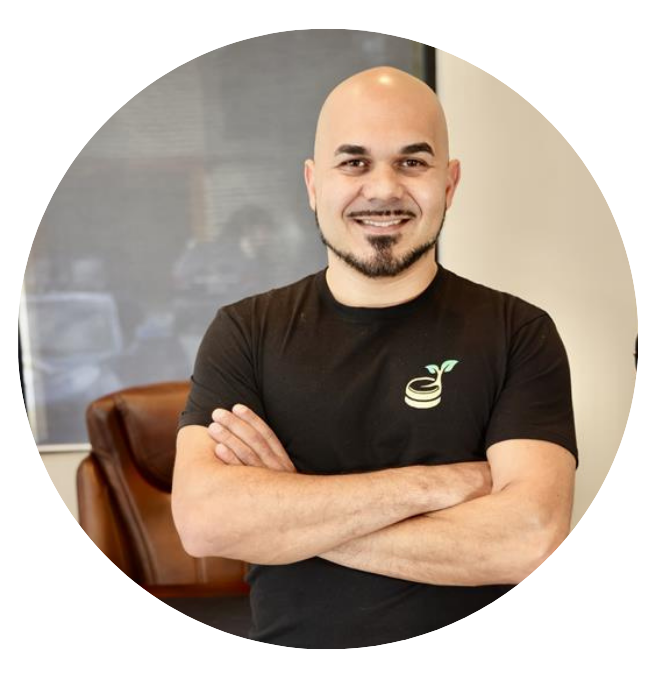 About the Author:
Ari Page is the Founder and CEO of Fund&Grow, helping entrepreneurs, investors, and small business owners secure up to $300,000 in 0% interest business credit cards. Since 2007, he has grown Fund&Grow into an Inc. 5000 company, securing over $2 billion in business credit cards for thousands of clients. With 6,000+ 4.9-star reviews and an A+ BBB rating, Fund&Grow is a trusted leader in business funding. Ari is also the author of Fund&Grow: Easy & Affordable Ways to Get Money for Your Business and a passionate advocate for mindset, success, and the Law of Attraction. He lives in Spring Hill, FL, inspiring others to grow their businesses and achieve financial freedom.